
In brief
Concentrates are cannabis extracts that pack a lot of cannabinoids and terpenes into a small amount of material. They’re made by separating the plant’s desirable compounds (like THC/CBD and aromatic terpenes) from excess plant matter.
Because they’re more potent than typical flower, concentrates are usually used in smaller amounts and with more attention to dosing, temperature, and product quality.
Definition
A concentrate is any extract where cannabinoids and terpenes have been “concentrated” into an oil, resin, or solid form. The goal is a cleaner, stronger experience in a smaller serving size.
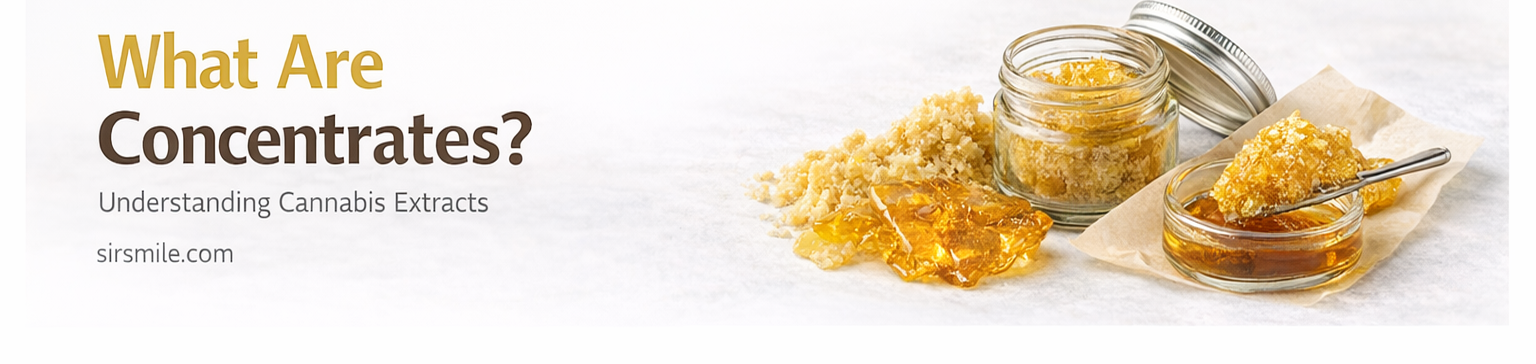
Different textures usually come from different extraction methods, post-processing, and terpene content—not necessarily from “strength” alone.
Concentrates are potent extracts—start small, keep temps moderate, and prioritize quality/label clarity.
History and context
Concentrates have evolved from simple hash-style preparations into modern extracts with consistent textures, potency testing, and purpose-built devices.
- Early concentrates — Traditional forms like kief and hash focused on collecting and compressing resin. These older styles helped define the idea of “concentrating” cannabinoids and aroma into a smaller, stronger form.
- Modern extraction era — Over time, concentrates expanded into recognizable textures (wax, shatter, sauce, sugar) influenced by extraction method, terpene content, and post‑processing. Consistency and flavor became as important as potency.
- Solventless + consumer devices — Rosin and other solventless approaches grew popular for their “heat + pressure” simplicity. In parallel, e‑rigs and portable dab devices made concentrates more accessible, increasing the value of clear labels and (when available) third‑party testing.
How it works
Concentrates are most often used through dabbing (a small amount heated on a surface and inhaled) or through compatible vape hardware designed for extracts.
Lower temperatures generally preserve flavor and terpenes, while higher temps create bigger vapor but can feel harsher.
What the evidence can and can’t say
Not every product will publish all details, but more transparency is usually better. If testing is unavailable, keep servings small and prioritize trusted brands.
Most practical “evidence” for consumers is labeling plus third‑party testing that confirms cannabinoid levels and screens for contaminants.
- Cannabinoid potency (mg/g or %). — Helps you dose accurately and compare products.
- Terpene profile (when provided). — Often correlates with aroma and perceived effects.
- Screening results. — Adds confidence in overall product cleanliness.
Types and common forms
Most concentrates fall into a few common families based on how they’re made and how they look/handle.
- Wax / Budder / Badder — Soft, whipped textures that are easy to scoop and commonly used for dabbing.
- Shatter — A glass-like slab that snaps; usually cleaner-looking with a brittle texture.
- Live Resin — Made from fresh-frozen material to preserve terpene aroma; often saucy and aromatic.
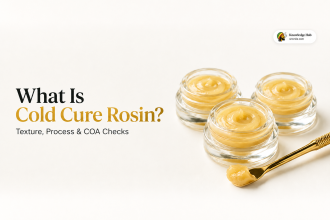
- Rosin — Solventless extract pressed with heat and pressure; prized for flavor when made well.
How to use Concentrates in real life
Because concentrates are potent, the best approach is to start small and increase slowly.
- Start with a rice‑grain sized amount (or smaller) your first time.
- Use lower temps first to avoid harshness and wasted terpenes.
- Keep tools clean—sticky residue can change flavor quickly.
- If you’re sensitive, choose balanced cannabinoid profiles and avoid overdoing it.
Safety, legality, and what to watch for
Potency is the biggest safety factor. A small amount can feel strong, especially for newer users.
Stick to reputable products with clear labeling and, when available, third‑party lab results that show cannabinoid content and screening.
Quality checklist (COA / lab reports)
Quality concentrates should smell clean (not chemical), have consistent texture, and come from brands that show transparent testing when possible.
- Pick a concentrate type that matches your device.
- Start with a very small amount.
- Use moderate temperatures for smoother flavor.
- Prefer clear labels and testing when available.
- Store cool and sealed to protect terpenes.
- Look for clear cannabinoid content and batch info.
- Prefer products that avoid mystery additives or vague labels.
- Flavor should be strain‑like, not artificial or harsh.
- Store sealed, cool, and away from light to preserve terpenes.
How to shop smarter
When shopping, match the concentrate type to your device and your comfort level with potency.
- If you’re new, choose easy-to-handle textures like badder or sugar.
- If flavor matters most, look at live resin or well-made rosin.
- Avoid deals that don’t list content clearly.
- If available, confirm the lab panel matches the product batch.
Common myths (and what’s actually true)
A few common myths make concentrates more confusing than they need to be:
- “Shatter is always stronger than wax.” — Texture doesn’t guarantee potency—labs do. Wax can test higher than shatter depending on the batch.
- “Darker color means lower quality.” — Color can reflect terpenes, strain, and processing. Some flavorful extracts are naturally darker.
- “Solventless always means safer.” — Solventless can be great, but quality still depends on starting material, cleanliness, and handling.
FAQ
Are concentrates stronger than flower?
Usually, yes. Concentrates typically contain a higher percentage of cannabinoids, so smaller servings can feel much stronger.
What’s the difference between live resin and rosin?
Live resin is usually solvent-based and aims to preserve terpenes from fresh-frozen material; rosin is solventless and made by pressing with heat and pressure.
Do concentrates have a stronger smell?
They can. Aromatic extracts like live resin and some rosins can smell very strong because they retain a lot of terpenes.