

In brief
Dry sift hash is a traditional concentrate made by mechanically separating trichomes through screens, then collecting the resin-rich powder for use on its own or for pressing into other hash formats. The goal is cleaner resin, stronger aroma, and a finer texture than ordinary loose kief.
People often compare dry sift hash with bubble hash, full melt hash, dry sift hash, and classic pressed hash. The conversation here is about screen-based separation, texture, cleanliness, grading, and how to judge quality without confusing it with every other hash style.
What is dry sift hash?
Dry sift hash is a concentrate made by sifting dried cannabis material across fine screens so the trichome heads separate from the rest of the plant. That resin can stay loose and powdery, or it can be lightly pressed into a more compact hash form depending on the goal.
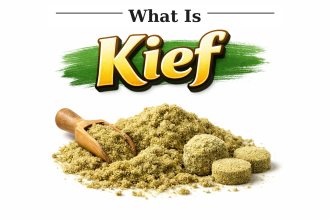
People sometimes use “kief” and “dry sift” as if they are identical, but dry sift hash usually implies a cleaner, more refined resin fraction rather than whatever loose powder happens to collect in a grinder. Better dry sift is judged by purity, texture, aroma, color, and how much contaminating plant material made it through the screens.
Dry sift hash is screen-separated trichome resin. The better the separation, the cleaner, richer, and more hash-like the final material becomes.
Where dry sift hash fits historically
Dry sifting is one of the oldest and most recognizable mechanical hashmaking traditions. Long before modern solventless grading, people were already using screens, cloth, or fine mesh to separate resin glands and gather them into usable hash.
That matters because dry sift hash sits at the crossroads between old-school traditional hash and more modern concentrate conversations. It can stay loose, become pressed hash, or even serve as the starting material for more specialized solventless products depending on quality and handling.
How dry sift hash is made
The process is mechanical rather than solvent-based. Dried material is gently worked across one or more screens so the resin falls through while larger plant matter stays behind. More careful work and better screen selection usually mean a cleaner final product.
- Initial sift — collects a broader powder that may still include more plant contamination.
- Refinement pass — cleaner fractions are separated through better handling or different screen sizes.
- Loose or pressed finish — the sift can remain granular or be pressed into a denser hash form.
- Quality control — texture, cleanliness, and aroma matter more than color alone.
What separates good dry sift from average sift
Good dry sift hash is usually cleaner, more aromatic, and more uniform than ordinary grinder powder. Instead of looking dusty and mixed with green plant specks, it tends to look more resin-forward and intentional.
- Cleaner appearance — fewer visible contaminants and less green material.
- Better aroma — richer terpene presence and less stale plant smell.
- More even texture — consistent, sifted resin rather than random dusty powder.
- More useful end result — suitable for topping, pressing, or traditional hash formats depending on grade.
Types and common forms
Dry sift hash can show up as a loose granular resin, a lightly pressed puck, or a more traditional dense block once heat and pressure are applied. The collection method may be similar, but the final format changes how people talk about it and use it.
- Loose dry sift — powdery or sandy resin collected through screens.
- Refined sift — cleaner, more selectively screened fractions with less contamination.
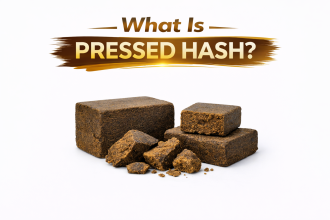
- Pressed dry sift hash — sift that has been compacted into a more traditional hash form.
- Temple-ball-ready material — in some cases, sift can be worked and pressed further into classic hand-formed hash styles.
How to use dry sift hash
Dry sift hash is often used as a topper, mixed into flower, or lightly pressed for a denser experience. Cleaner material is usually more enjoyable because it tastes better and leaves less unwanted material behind.
- Start small because even mechanically separated resin can feel stronger than flower alone.
- Use lower heat if you want to preserve aroma instead of scorching the resin.
- Reserve your cleanest sift for the uses where purity matters most.
- Store it sealed and cool so the texture stays drier and more workable.
Safety, legality, and what to watch for
Dry sift hash is still a concentrate, so it makes sense to approach it more carefully than ordinary flower. Potency, cleanliness, and legality vary by source and location.
Handling matters too. Warmth, pressure, and poor storage can change the texture and make it clump, grease, or lose aroma more quickly than expected.
Quality checklist (COA / lab reports)
Quality dry sift hash usually looks more resinous than dusty, smells richer than plain plant matter, and shows less visible contamination. Better handling and screening generally create a cleaner result.
- Look for resin-rich texture instead of dusty, green-heavy powder.
- Judge aroma and cleanliness, not color alone.
- Understand whether the sift is loose, refined, or pressed.
- Store it cool and sealed to protect texture and aroma.
- Compare it with bubble hash, full melt hash, and dry sift hash so the category stays clear.
- Too much visible plant material usually means lower refinement.
- Fresh aroma matters; stale or grassy notes can suggest weaker handling.
- Texture should make sense for the type—powdery if loose, denser if intentionally pressed.
- Cleanliness and consistency matter more than buzzwords.
How to shop smarter
When shopping for dry sift hash, ask how refined it is, whether it is sold loose or pressed, and what kind of cleanliness you should expect. Not all sift is equal, and not every product sold as “hash” means the same thing.
- Choose clear product descriptions that explain screen-based collection or refinement.
- Look for sources that explain whether the product is loose sift, refined sift, or pressed hash.
- Prioritize clean handling and fresh aroma over hype words.
- Compare with related pages before buying if you are trying to decide between dry sift, bubble hash, and other solventless formats.
Common myths (and what’s actually true)
- Dry sift hash is just grinder kief. — No. Better dry sift is intentionally screened and refined; grinder powder is usually broader and less selective.
- All dry sift is low quality compared with bubble hash. — No. Quality depends on refinement and handling, not just the collection method.
- If it is light in color, it must be premium. — Not always. Aroma, cleanliness, texture, and contamination tell you much more.
FAQ
What is dry sift hash made from?
Dry sift hash is made from trichomes that are mechanically separated from dried cannabis material through screens or fine mesh.
Is dry sift hash the same as kief?
Not exactly. Kief is often used loosely for any collected powder, while dry sift hash usually suggests a cleaner, more intentional, more refined resin product.
Can dry sift hash be pressed?
Yes. Dry sift can stay loose or be pressed into denser traditional hash formats depending on quality, handling, and purpose.