

In brief
Live resin is a terpene-rich cannabis concentrate most often made by extracting fresh (often flash-frozen) flower to preserve strain-specific aroma and flavor.
It’s popular because it can taste more “fresh” than many other concentrates, and it can range from saucy to sugar-like textures depending on how it’s handled and stored.
Definition
Live resin is a type of cannabis concentrate prized for terpene-rich flavor. It’s typically made using solvent-based extraction (most commonly hydrocarbon) from fresh, often flash-frozen flower to capture more of the plant’s volatile aroma compounds.
“Live resin” describes how the starting material is handled (very fresh, often frozen) more than the final texture. The finished concentrate can be sauce, sugar, badder, or diamonds-in-sauce depending on crystallization and storage.
Key takeaway: live resin is terpene-forward—verify it with a recent COA, start with tiny amounts, use lower temps for flavor, and store it cool and airtight.
History and context
Live resin became popular as concentrate users looked for more strain-like aroma and taste. The “live” part usually refers to using very fresh (often frozen) material and minimizing heat early on so more terpenes survive into the final jar.
- Onset With inhaled concentrates (dabs or live resin vapes), effects can begin within seconds to a few minutes depending on temperature, device, and dose.
- Peak The strongest effects are often felt within ~10–30 minutes. Lower temperatures can highlight flavor, while higher temps can feel harsher.
- Total duration Main effects commonly last ~1–3 hours with a longer tail (sometimes up to ~4–6 hours), varying by dose and tolerance.
How it works
Live resin concentrates cannabinoids and terpenes. Because it’s usually produced from very fresh material and handled with less heat early on, it can retain more aromatic compounds than many cured concentrates or plain distillate.
How it feels depends mostly on cannabinoid profile (especially THC), your dose, and how you consume it. Terpenes shape aroma and may influence the overall experience, but they don’t guarantee specific effects.
What the evidence can and can’t say
A practical way to think about it: live resin is mainly about flavor and aroma. Potency still comes from cannabinoids, and the best guardrails are lab testing, conservative dosing, and avoiding contaminants.
Here are a few evidence-informed points that can help you interpret what you’re buying and why live resin behaves the way it does:
- Look for a recent COA that includes potency plus contaminant screening (solvents, pesticides, heavy metals, microbes).
- Expect strain-to-strain flavor differences, but don’t treat marketing claims as guarantees.
- Start tiny—concentrates can ramp up quickly, especially with efficient devices.
Types and common forms
“Live resin” doesn’t lock you into one texture. It’s a terpene-forward concentrate style—so you’ll see it sold in several common forms depending on crystallization and post-processing.
- Sauce — A glossy, terpene-rich mix—often with tiny crystals in liquid terpene fraction.
- Sugar — Grainy, crystal-like texture that’s easier to scoop; can look pale gold to amber.
- Badder/Budder — Whipped, creamy texture; often very aromatic and easy to handle.
- Diamonds in sauce — Larger THCA crystals suspended in terpene sauce (still a live resin style when made from fresh material).
How to use live resin in real life
Most people use live resin by dabbing (rig/e-rig) or in a live-resin vape cartridge. Many aim for moderate temperatures so you don’t burn off the terpenes that give it its signature flavor.
- Start tiny. A rice‑grain sized dab (or a short puff) is plenty for many people.
- Use lower temps first. Cooler dabs often taste better; you can increase slightly if needed.
- Keep tools clean. Residue builds fast with terpene-rich concentrates—clean tools and devices regularly.
- Store it right. Seal tightly and keep it cool/dark; heat can dry it out or shift texture.
Safety, legality, and what to watch for
Because live resin is commonly solvent-extracted, quality control matters. A trustworthy COA should show pass results for residual solvents and contaminants. Avoid products with a sharp chemical smell, mystery ingredients, or no batch info.
Concentrates can be very potent. Start low, don’t drive after use, and keep products away from kids/pets. Laws vary by location—buy only where legal and tested.
Quality checklist (COA / lab reports)
A COA (certificate of analysis) is the fastest way to sanity-check live resin quality. Ideally it’s recent, batch-specific, and includes both potency and contaminant screening.
Copy-and-save checklist
- Potency isn’t everything. Higher THC doesn’t always mean better—flavor and cleanliness matter.
- Freshness helps. Terpenes fade with heat/light; choose properly stored products.
- Ask about storage. Reputable shops store concentrates cool and handle jars carefully.
- Look for a COA with cannabinoid totals plus residual-solvent results (when applicable).
- Avoid products with no batch info, no test date, or vague “lab tested” claims without a report.
- Check packaging: airtight, light-resistant containers help preserve texture and terpenes.
- If it smells harsh or chemical, skip it—clean concentrates shouldn’t have solvent-like odors.
How to shop smarter
When shopping for live resin, prioritize transparent brands and real lab results. Texture and color can vary—focus on testing, storage, and consistency rather than chasing a single look.
- Prefer batch-specific COAs. Look for matching lot numbers and recent test dates.
- Check storage conditions. Warm display cases can dry out terpenes and change texture.
- Match texture to your tool. Sauce works well in e-rigs; sugar/badder can be easier to scoop.
- Avoid vague marketing. Terms like “ultra pure” mean nothing without lab data.
Common myths (and what’s actually true)
Live resin has a lot of hype. Here are common myths and the more practical truth:
- Myth: Live resin is always stronger than other concentrates. Truth: Potency depends on cannabinoids and dose; live resin is often about terpenes/flavor.
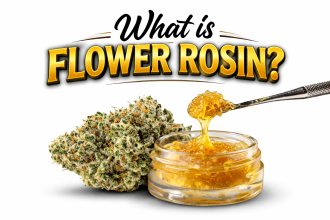
- Myth: Live resin and live rosin are the same. Truth: Live resin is usually solvent-extracted; live rosin is solventless.
- Myth: Color alone tells you quality. Truth: Pale or amber shades can both be fine—look at COAs, storage, and aroma.
- Myth: Terpenes guarantee specific effects. Truth: Terpenes influence aroma and experience, but outcomes vary widely.
FAQ
Is live resin the same as live rosin?
No. Live resin is usually solvent-extracted (often hydrocarbon) from fresh material, while live rosin is solventless and made with heat + pressure. Both can be terpene-rich, but they’re produced differently.
Does live resin always involve solvents?
In most markets, yes—“live resin” typically refers to solvent-based extraction from fresh (often frozen) flower. If you want solventless, look for “live rosin” and still check the COA.
How should I store live resin?
Keep it airtight, cool, and away from light. Heat can evaporate terpenes and change texture. For longer storage, many people keep jars in a cool drawer or refrigerator (sealed) to help preserve aroma and prevent drying out.