
In brief
Rosin is a solventless cannabis concentrate made by using heat and pressure to push resin out of flower, sift, or hash. Instead of relying on hydrocarbon solvents during extraction, the process depends on mechanical force and controlled heat.
That makes rosin a broad category rather than one single exact format. Some rosin is pressed directly from flower, some from sift, and some from hash, which is why people often compare standard rosin with hash rosin and live rosin instead of treating them all as the same thing.
What is rosin?
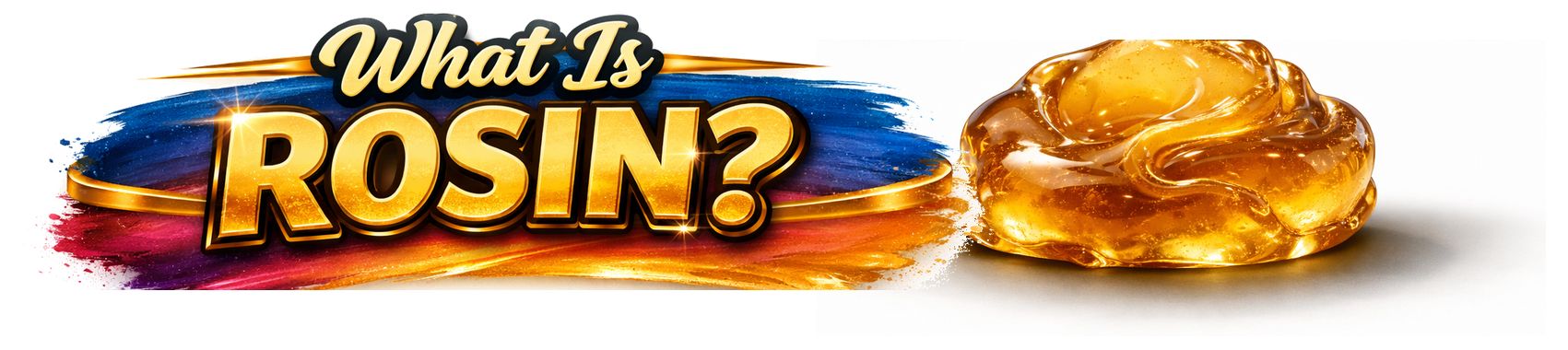
Rosin is a concentrate created when heat and pressure force resin out of cannabis material. The finished extract often looks glossy, sticky, and amber to golden, though the exact shade and texture can vary with the source material and handling.
What separates rosin from many other concentrates is the extraction method. It is usually described as solventless because the main extraction step uses heat and pressure rather than hydrocarbon solvents like butane or propane.
Rosin is a solventless extract made by pressing resin from cannabis material with controlled heat and pressure. It is broad enough to include flower rosin, sift rosin, hash rosin, and more specific subtypes like live rosin.
How rosin is made
The core idea is simple: pressure and controlled heat push resin out of the starting material, and that expressed oil is collected as rosin. The process sounds straightforward, but temperature, pressure, freshness, and the quality of the source material all affect yield, color, and texture.
- Starting material — the process begins with flower, sift, or hash.
- Controlled heat — warmth helps loosen and release the resin.
- Pressure — mechanical force squeezes the resin outward.
- Collection — the expressed extract is gathered and handled carefully.
- Finishing — storage temperature and post-press handling influence the final texture.
Common starting materials
Not all rosin starts from the same source, and that changes how people describe it. The input material shapes the flavor profile, texture, yield, and the label you see on the jar.
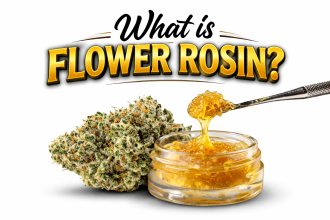
- Flower rosin — pressed directly from cured flower.
- Sift rosin — pressed from screened resin such as sift or dry sift.
- Hash rosin — pressed from hash, often bubble hash.
- Live rosin — a more specific rosin type that usually starts with fresh-frozen material that is first turned into bubble hash before pressing.
Texture, color, and appearance
Rosin can look very different from one product to another. Some jars are glossy and sap-like, others look creamy or buddered, and some take on a greasier or jammy appearance depending on the material, the press, and how the extract is stored afterward.
- Lighter gold — can look cleaner and brighter, but color alone does not guarantee quality.
- Amber or deeper gold — common and still realistic for many rosin products.
- Sap-like — smoother, stickier, and more glassy.
- Badder-like — more whipped, creamy, or opaque after handling or storage changes.
Rosin vs solvent-based extracts
Rosin is valued because the extraction step itself is solventless. That makes it different from many concentrates that begin with hydrocarbon or other solvent-based extraction methods and are then further refined into products like live resin, shatter, or distillate.
That difference in process does not automatically make rosin universally “better” for every buyer. Some people care most about the extraction method, while others focus on flavor, texture, cleanup, potency, or how a product fits their budget and use style.
Quality checklist (COA / lab reports)
Good rosin should look intentional and well-handled rather than dirty, unstable, or vaguely described. Because rosin can come from different inputs, clear labeling matters just as much as appearance.
- Check whether it is labeled as flower rosin, hash rosin, or live rosin.
- Read the COA or lab report when available.
- Look for realistic color and texture, not a single internet stereotype.
- Review storage guidance, especially if the product is sold cold.
- Favor clear batch information over vague hype claims.
- A clean label should tell you what the starting material was.
- Texture should make sense for the product type rather than seeming unstable or neglected.
- Cold-chain handling can matter for fresher, softer, or more terpene-rich products.
- Descriptions should make clear whether you are looking at standard rosin, hash rosin, or live rosin.
How to shop smarter
When shopping for rosin, ask what it was pressed from, how it was stored, and whether the brand distinguishes clearly between rosin, hash rosin, and live rosin. Clear process language usually tells you more than vague marketing words.
- Choose sources that explain the starting material and extraction style clearly.
- Do not assume lighter color always means better rosin.
- Check whether storage recommendations are included and realistic.
- Compare with live rosin and solvent-based extracts if you are deciding between process styles.
Common myths (and what’s actually true)
- All rosin is live rosin. — No. Live rosin is a more specific subtype inside the broader rosin category.
- Rosin means no heat is involved. — No. Controlled heat is one of the defining parts of the process.
- Darker rosin always means poor quality. — Not always. Starting material, handling, oxidation, and storage all affect color.
FAQ
What makes rosin different from other extracts?
Rosin is mainly distinguished by its solventless extraction method: heat and pressure are used to express the resin rather than relying on hydrocarbon solvents during the main extraction step.
Is live rosin the same as regular rosin?
No. Live rosin is a more specific type of rosin that usually starts with fresh-frozen material processed into bubble hash before being pressed.
Is rosin always made from hash?
No. Rosin can be pressed from flower, sift, or hash. Hash rosin is a specific subtype, not the only form of rosin.